Flathead Lake photographs well almost by accident. It’s a genuinely enormous body of water — one of the largest natural freshwater lakes in the western United States — ringed by mountains on both sides, and that combination of scale and topography does a lot of the work for you before you’ve even picked a spot to stand. What follows is less a list of secret spots than a rundown of the categories of view that actually exist here, grounded in real, public, verifiable places, plus some thoughts on timing and gear that are more a matter of local experience and personal taste than hard fact — which is worth saying plainly, since photography advice is inherently more subjective than, say, a trail’s mileage or a fish species list.
Shoreline and State Park Viewpoints
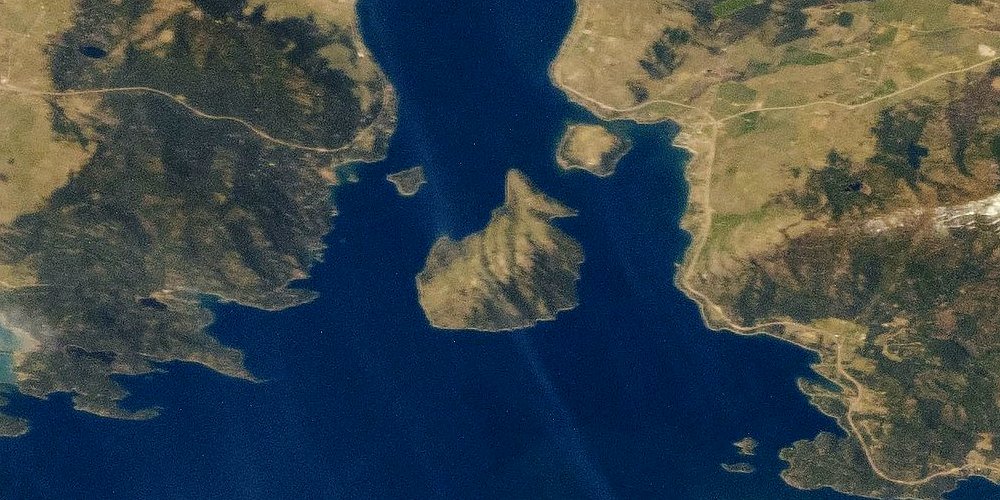
The most reliable photo opportunities on Flathead Lake come from its public shoreline access — mainly the state park units strung along both shores, which exist specifically to give people open ground next to the water. On the east shore, units like Yellow Bay sit in open, gravelly stretches with a clear sightline across the lake toward the Mission Mountains, which rise sharply along that side of the valley to peaks approaching 10,000 feet — a genuinely dramatic, well-documented backdrop rather than an exaggeration. Farther south, Finley Point sits at a spot where the lake opens out enough to take in both Wild Horse Island and the Mission Mountains in the same general view, which is part of why it’s a known stop for people photographing the lake rather than just passing through it.
The west shore has a different character. The Salish Mountains form a lower, less jagged line along that side of the valley, so a photo looking west from an east-shore spot won’t have the same dramatic peaks as one looking east — but it does mean a west-shore vantage point often has the Missions themselves in the frame, across the water, which some photographers prefer. Which side you favor is genuinely a matter of taste: one gives you mountains close behind you and open water and a distant shore ahead; the other gives you the more famous peaks as the subject itself.
None of this requires a permit or a hike to reach — these are day-use public parks with parking and shoreline access, which is exactly why they’re the starting point for photographing the lake rather than any more obscure or harder-to-verify spot.
From the Water
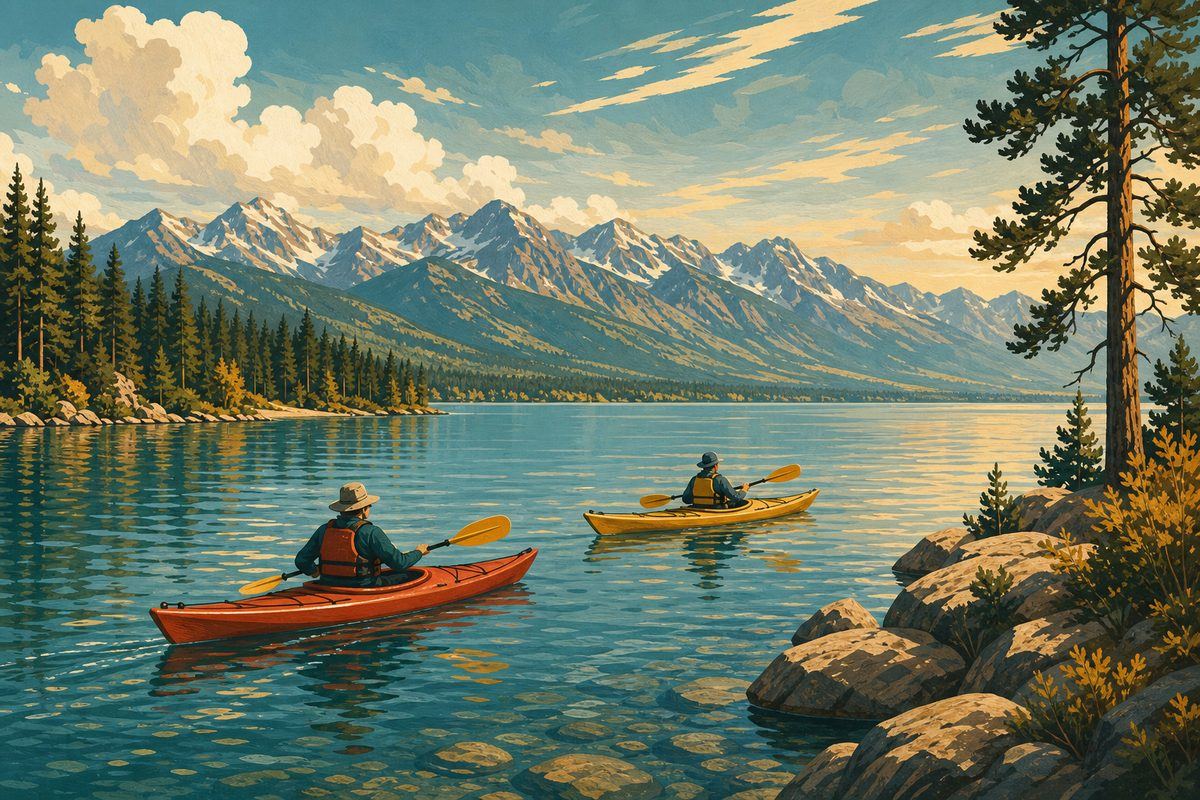
A kayak or other small paddlecraft gives you a genuinely different photo than anything available from shore. Sitting at water level changes the whole geometry of a shot — reflections read differently, the mountains loom larger relative to the water, and you can position yourself in open water where no shoreline trail or road reaches. Our guide to kayaking Flathead Lake covers the practical side of where to launch and how the lake’s wind pattern behaves, and both matter directly to photography: a still morning on the water can produce close to mirror-flat reflections of the shoreline and mountains, which is a genuinely different photo than anything shot on a breezy afternoon.
The tradeoff is real, though. A camera or phone in a kayak is more exposed to spray, sudden dunking, and the general instability of shooting one-handed from a boat than anything on solid ground, and the same afternoon wind that turns paddling conditions choppier as the day goes on will do the same thing to your photos — and to your ability to hold a boat steady enough to take one. Paddling toward Wild Horse Island adds another layer: looking back at the mainland from open water partway across gives a wide, uncluttered view of the shoreline and the mountains rising behind it that you simply can’t get from land, though it’s a view earned by being out on open water, with everything that implies about conditions and safety on a lake this size.
Drone Photography and Park Rules
Aerial photos of the lake and its shoreline are an increasingly obvious temptation, and it’s worth knowing the actual rule before packing a drone for a Flathead Lake trip: flying a drone in a Montana state park is prohibited unless a park manager has specifically authorized it, either through a commercial or special-use permit or in an area a given park has designated for the purpose. Because several of the best-known photo viewpoints described above — Yellow Bay, Finley Point, Wild Horse Island — are Flathead Lake State Park units, that rule applies directly to some of the most obvious places a visiting photographer would want to fly. The fix is simple: contact the specific unit directly before a trip if aerial photos are part of the plan, since rules and any designated flying areas are set unit by unit rather than uniformly across the park system.
Standard FAA rules apply on top of that on any land, public or private, around the lake — registration for drones over 0.55 pounds, altitude and airspace restrictions, and the general operating rules that cover recreational flying anywhere in the country. Montana also treats flying a drone 200 feet or lower over someone else’s property without permission as criminal trespass, worth keeping in mind on a lake shoreline where public and private land often sit close together. None of this rules out drone photography around Flathead Lake — plenty of it happens legally, from private land, from areas outside state park boundaries, or with proper authorization inside them — it just means checking the rule before flying matters more here than it would somewhere with a single blanket policy.
Seasonal Photo Opportunities
Two seasonal events on this site add a layer of photo opportunity beyond the lake and mountains themselves. The Flathead cherry orchards along the east shore go through a blossom period in spring, when the trees are covered in white flowers against the backdrop of the lake and the Mission Mountains — a shorter, quieter season than the harvest rush that follows in midsummer, and one that draws its own scenic-drive traffic for exactly that reason. Later, the same stretch of shoreline turns over into harvest season, when the trees are heavy with fruit rather than flowers — a different, warmer-toned version of the same corridor.
Fall brings a second seasonal layer. As covered in our guide to the best time to visit, valley-elevation color around the lake’s shoreline tends to peak later than the surrounding mountains — generally mid-to-late September into mid-October — with aspen turning first and larch holding a gold color into October. A fall visit timed for that window can combine the lake and mountains with genuine autumn color in the same frame, and comes with the added benefit of thinner crowds than the height of summer.
Storm season deserves its own mention, if only because it’s such a recognizable image of this lake: dark clouds building over open water, with light breaking through in patches ahead of or behind the front. That kind of sky can show up anytime in the warmer months on a lake this large and exposed, and it produces some of the more striking photos taken here — a payoff that comes with the same caveat as anything involving weather on open water, which is to watch it develop from a safe, stable position rather than staying out once it actually arrives.
Photography Practicalities for This Environment
A few general, non-brand-specific habits matter more here than on a typical inland lake, mostly because of scale and wind. Flathead Lake generates a real afternoon wind pattern on its open central and southern basin as the day warms, and wind on open water means spray — so protecting a camera or phone from moisture is worth thinking about anytime you’re near the shoreline in a breeze, not just when you’re actually out on the water. A simple dry bag or a case that seals against splashes covers most of what this environment actually demands; nothing more specialized is required.
Light changes quickly here too, partly because of the surrounding mountains. The sun can clear or drop behind a ridgeline earlier or later than a flat horizon would suggest, which shortens or shifts the window for good light in ways that aren’t obvious until you’ve watched it happen once from a given spot. Scouting a location in ordinary daylight before committing to it for a sunrise or sunset shot is a small step that saves a wasted trip, especially somewhere as spread out as this lake, where driving to a second spot after missing the light at the first one usually isn’t realistic.
Beyond that, the best approach here is the same one that applies to most outdoor photography: get to a spot with time to spare, watch how the light and weather are actually behaving that day rather than assuming yesterday’s conditions will repeat, and treat any time on or near open water with the same caution this site recommends for paddling or swimming here generally. The lake rewards patience more than equipment, and on a body of water this size, the sky and the water do most of the work for you.
Frequently asked questions
What's the single best spot to photograph Flathead Lake?
There isn't one definitive answer — this is a matter of taste more than fact. Several of the lake's state park units give you open shoreline, a clean line of sight across the water, and mountains in the frame, which is most of what a lake photo needs. Which one looks best to you will depend on the light that day and what you want in the shot.
Are the Mission Mountains really visible from the lake?
Yes. The Mission Mountains rise along Flathead Lake's east shore and are a genuinely well-documented backdrop from state park units like Yellow Bay and Finley Point, with peaks approaching 10,000 feet. The Salish Mountains form a lower, less dramatic line along the west shore, so the more classic 'lake and jagged peaks' photo generally looks east from the west shore, or is taken from an east-shore unit looking across the water.
Is sunrise or sunset better for photographing the lake?
Both work, and which one suits a given spot depends on which direction you're facing relative to the mountains. A location looking east toward the Missions can catch good early light before the sun clears the peaks; a spot with open water to the west can hold color well after sunset. Scouting a location once in daylight before committing to it for golden hour saves a wasted trip.
Can I get good lake photos from a kayak?
Yes, and it's a genuinely different vantage point than anything you get from shore — lower to the water, with reflections and a wider, uninterrupted view across open water. It comes with real tradeoffs, though: less stability, real risk to gear from spray or a capsize, and the same afternoon-wind pattern that affects paddling in general, which can turn a calm morning shoot into a rough one by early afternoon.
What's the best season for photographing Flathead Lake?
Depends what you're after, and this is genuinely a matter of preference rather than a fact with one right answer. Spring brings cherry blossoms along the east shore; summer gives the longest light and the most reliably open access; fall brings color change in the valley and thinner crowds; and storm season, which can hit any time in the warmer months, produces some of the most dramatic skies over the lake, if you're in a position to shoot it safely.
Is it safe to photograph a storm building over the lake?
Approach it the same way you'd approach any other weather risk on open water or an exposed shoreline: watch it from solid ground, keep enough distance to retreat before it arrives, and don't be on the water or on an exposed point once lightning is a realistic possibility. A dramatic sky is a good reason to have your camera ready before a storm arrives, not a reason to stay out once it does.
Do I need special gear to photograph the lake well?
No specific camera or lens is required — plenty of good lake photography happens on a phone. What matters more here is protecting whatever gear you bring from wind-driven spray near the water and from the temperature and humidity swings that come with a big lake's microclimate, plus being deliberate about timing, since the best light here tends to be brief.
Can I fly a drone to photograph Flathead Lake?
Not at the lake's state park units — Yellow Bay, Finley Point, and Wild Horse Island among them — without specific authorization from that unit's park manager, since drone flights are prohibited in Montana state parks by default. Standard FAA rules apply everywhere else, and flying low over someone else's property without permission is treated as criminal trespass under Montana law. Check with the specific park unit before planning an aerial shot.