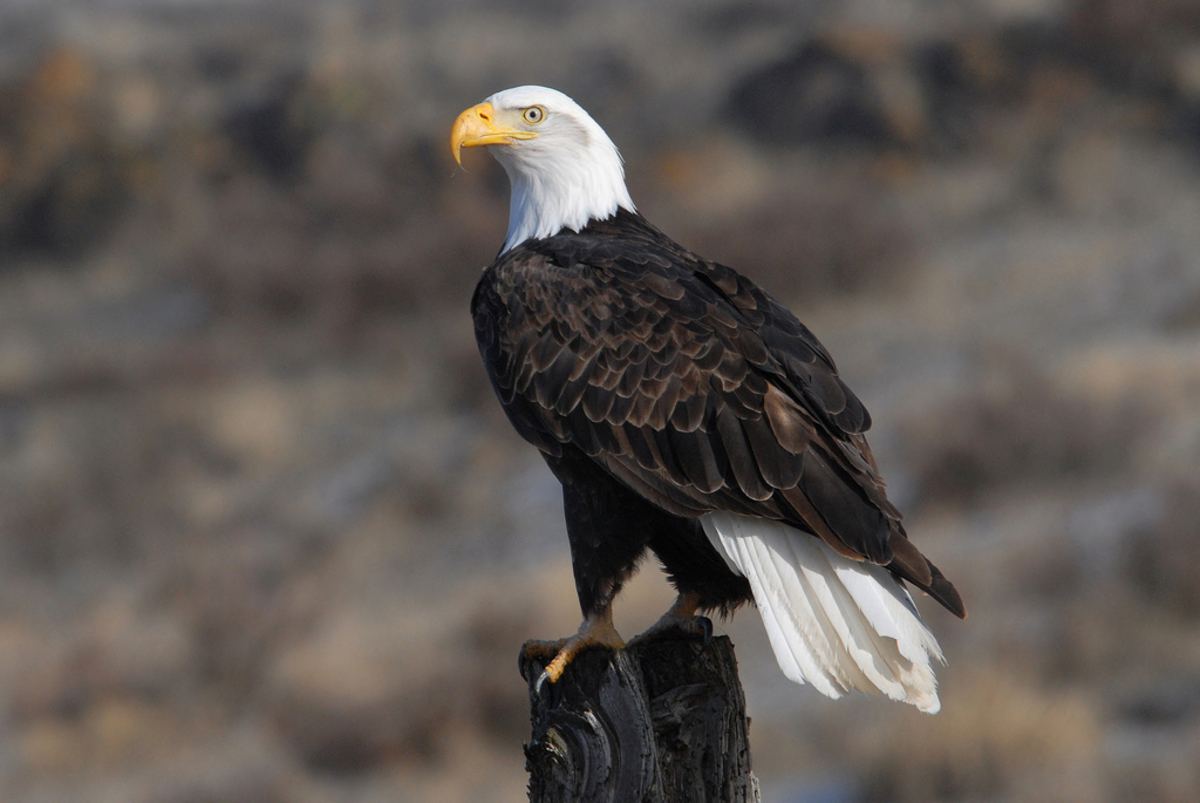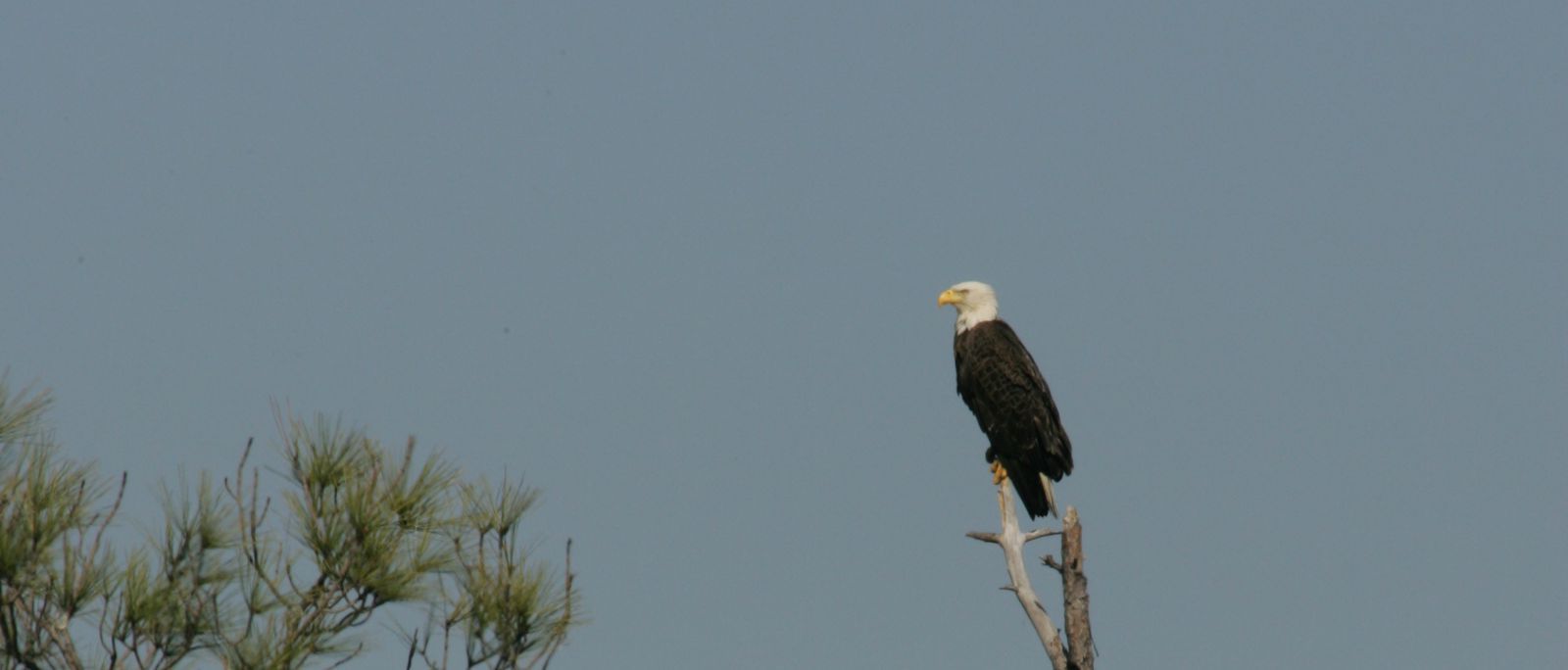
A bald eagle perched near the shoreline of Flathead Lake
What lives here

Wildlife Around Flathead Lake

Bald eagles, bighorn sheep and the birds and animals you'll actually see around Flathead Lake, and where to look for them.

USFWS, public domain

Flathead Lake and the surrounding valley support a genuinely wide range of wildlife, from bald eagles and osprey to bighorn sheep, mule deer, and the seasonal comings and goings of waterfowl. None of it is guaranteed on any given visit — this is wild country, not a managed exhibit — but a rough sense of what's realistic to see, and when, makes the difference between a lucky sighting and a frustrating drive along the shoreline hoping something shows up.

Wild Horse Island, reachable only by boat, is the single most reliable spot in the immediate area for bighorn sheep and mule deer, since the animals there see little disturbance or predation.

Waterfowl concentrations peak during spring and fall migration, when flocks stage on the open water before continuing their journeys, while eagles and osprey are present through the warmer months wherever fish are visible near the surface.

None of this is set up as a wildlife-viewing facility — there are no blinds, feeding stations, or guaranteed sightings anywhere on this list. The animals and birds covered here are wild and free-ranging, which is exactly what makes an actual sighting worth the trip.
4 guides in this section, independent editorial with no operator partnerships or booking flow.

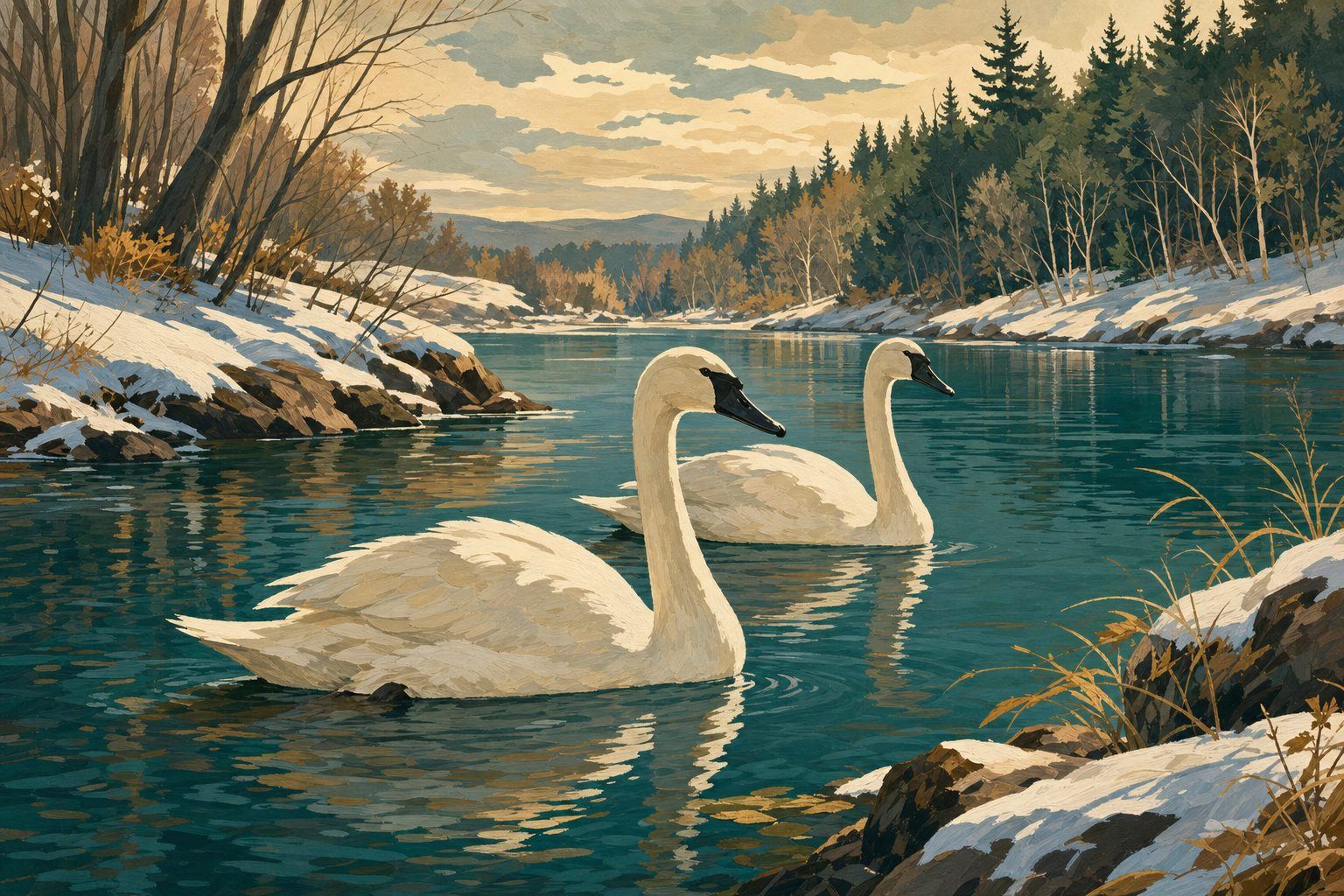
A pair of large white trumpeter swans swimming on calm river water with winter trees along the bank
Wildlife

Trumpeter Swans of the Flathead Valley: A Comeback in Progress

Once nearly extinct in Montana, trumpeter swans now winter on the lower Flathead River. Where they gather, and the tribal reintroduction behind their return.

Read the guide →
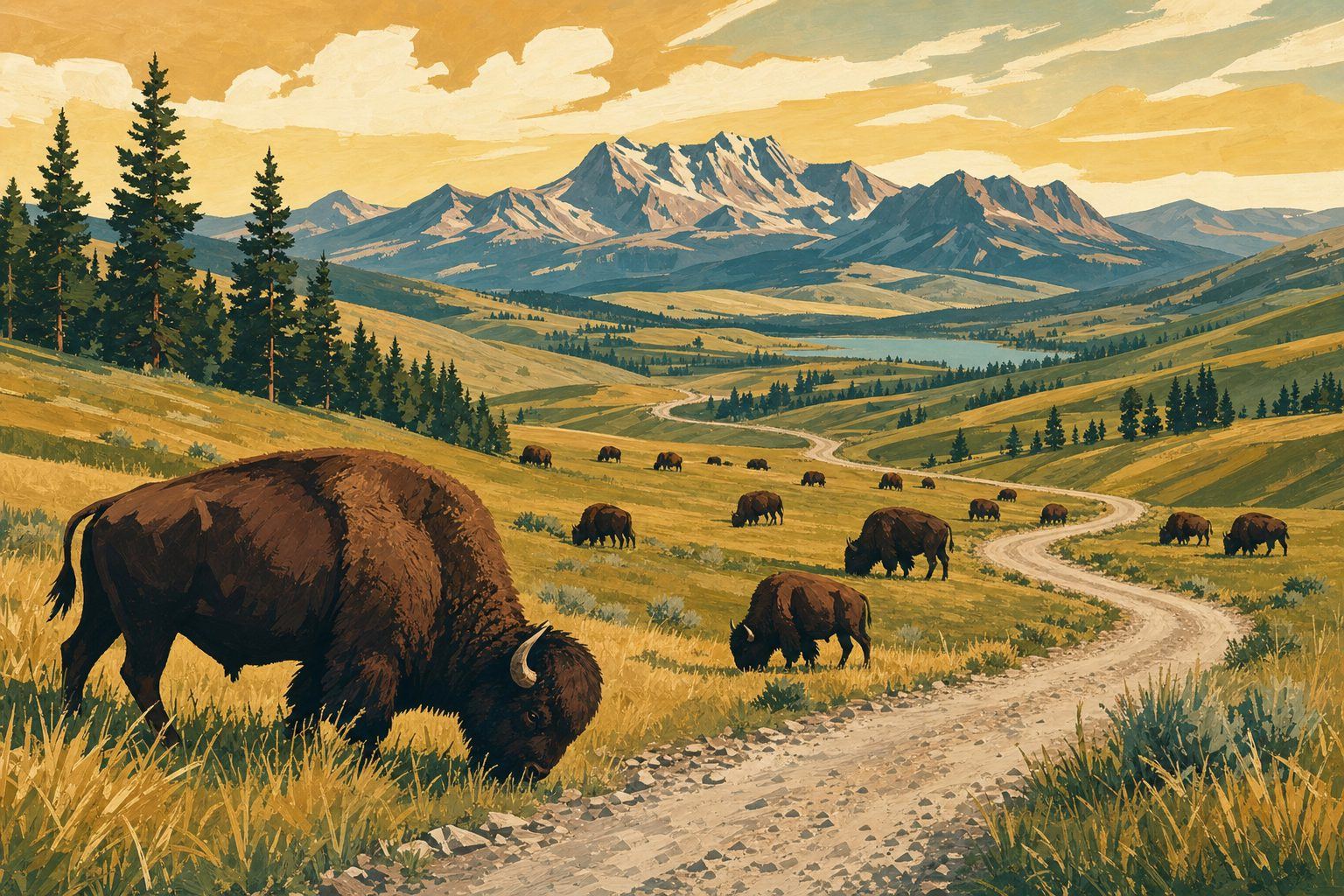
A herd of American bison grazing on open grassland hills with mountains in the distance
Wildlife

National Bison Range Day Trip From Flathead Lake

A tribally managed bison herd, a 19-mile scenic drive, and real wildlife odds — fitting the National Bison Range near Moiese into a day trip.

Read the guide →
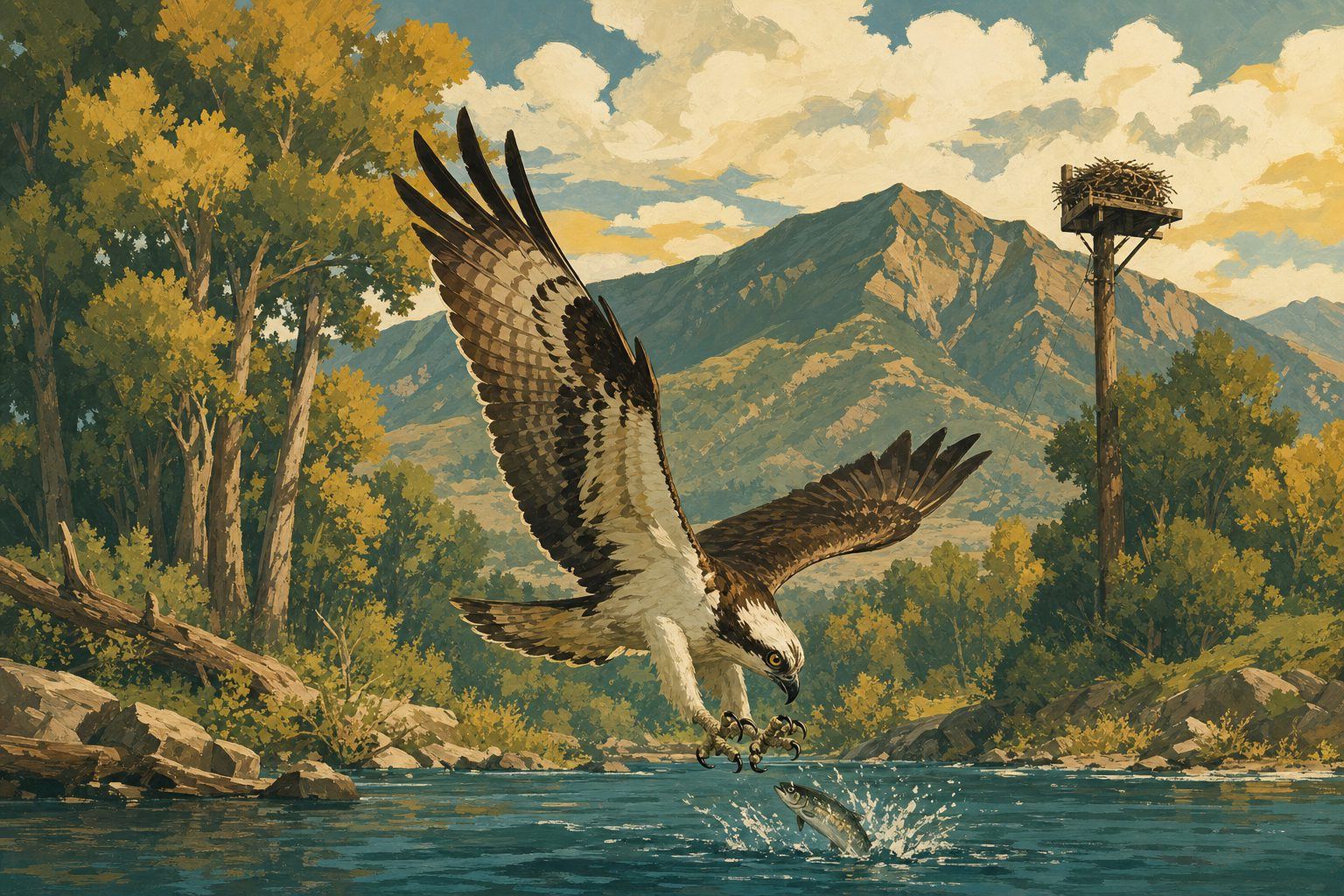
An osprey in flight over a river, wings spread, carrying a fish in its talons
Wildlife

Osprey of the Flathead River: One of Montana's Densest Corridors

The Flathead River between Kalispell and the lake holds one of Montana's densest documented osprey-nest corridors. Where to watch, and when.

Read the guide →
Adult bald eagle with a white head and tail, perched on a weathered wooden post
Wildlife

Wildlife Viewing on Flathead Lake: What to See, and When

Bald eagles, osprey nests, waterfowl, and the bighorn sheep of Wild Horse Island: a season-by-season guide to what's realistic to spot around Flathead Lake.

Read the guide →

Frequently asked questions

Do loons nest on Flathead Lake?

Loons show up mostly as a migratory stopover rather than a breeding site. Montana's small nesting population of common loons is concentrated farther north and east, so a loon spotted on Flathead Lake is more likely passing through than nesting nearby.

What waterfowl can I expect to see, and when?

Ducks, geese, and other waterfowl use the lake and surrounding wetlands year-round, with the heaviest concentrations during spring and fall migration. Summer brings broods of ducklings and goslings; winter concentrates birds on whatever water stays open.

Can I see bighorn sheep or mule deer without a boat trip?

Wild Horse Island is the most reliable place in the immediate area to see both. They do occur elsewhere in the wider valley and surrounding mountains, but less predictably than the island's resident populations.

Is it okay to feed the waterfowl at boat launches?

No. Feeding wildlife encourages animals to associate people with food, concentrates birds in ways that spread disease, and can cause nutritional problems — let wild birds find their own food.

What time of day is best for wildlife viewing?

Early morning and evening generally offer the most activity, both because animals tend to be more active at those times and because the lake itself is calmer and quieter, making an eagle on a shoreline snag or a deer at the waterline easier to spot from a boat or the shore.

Do I need binoculars or a long camera lens?

You don't need either to enjoy the wildlife here, but both help. Wild Horse Island's bighorn sheep and mule deer are often visible without magnification, while birds on the water or perched in shoreline trees are easier to identify with binoculars than with the naked eye.

Are there any dangerous animals to be aware of around the lake?

The wider valley is bear country, and standard backcountry precautions — storing food properly, making noise on trail, carrying bear spray — apply on land, particularly away from the immediate shoreline. On the water itself, the animals covered in this section pose no real danger to people who keep a respectful distance.