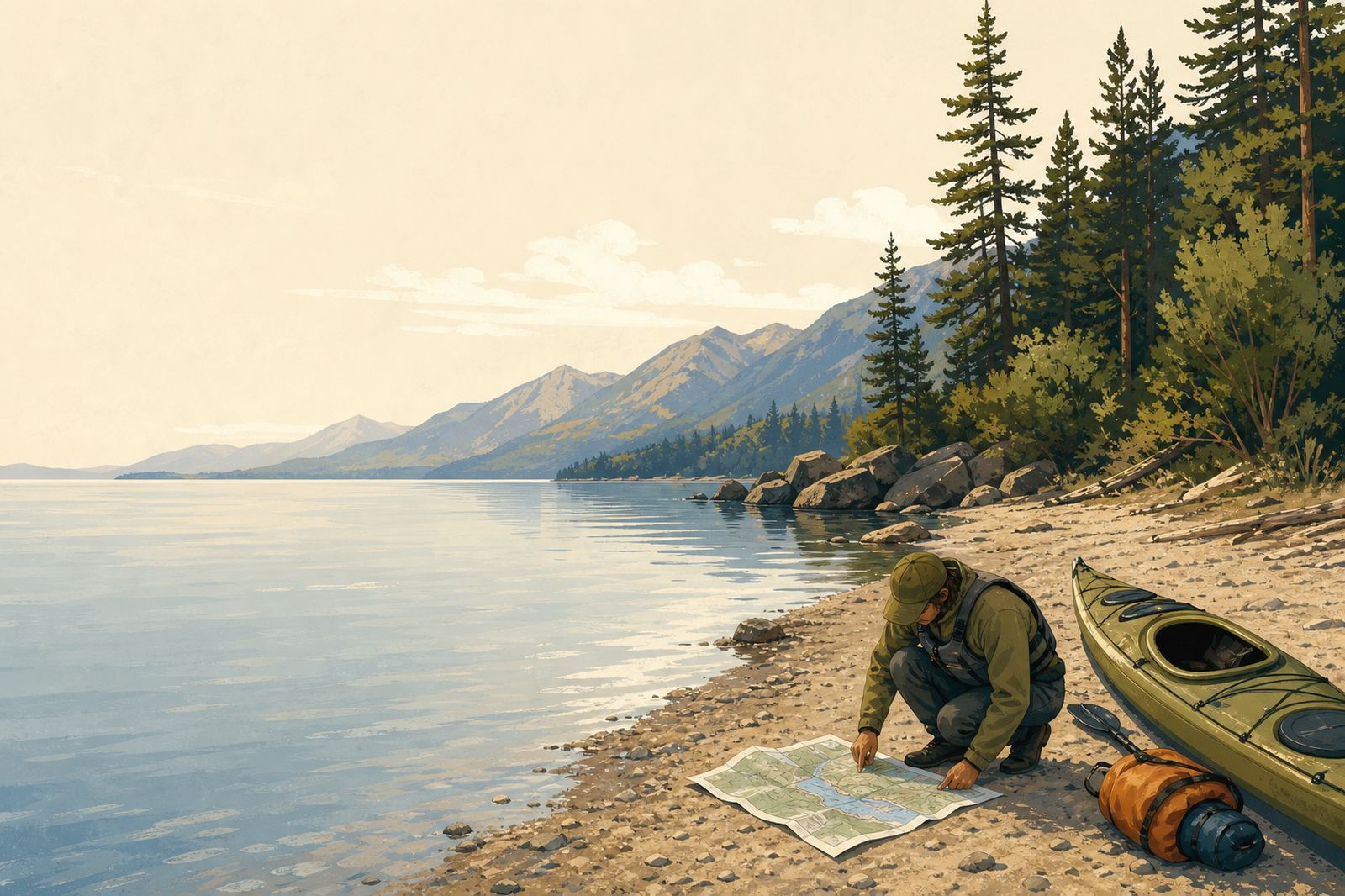
A paddler consulting a map on a Flathead Lake beach before launching
Trip finder

Which Trip Actually Fits You?

Pick a pace. You get a real starting point, the route in named places, and the guide that covers it. No account, no email, no booking.

Editorial illustration.

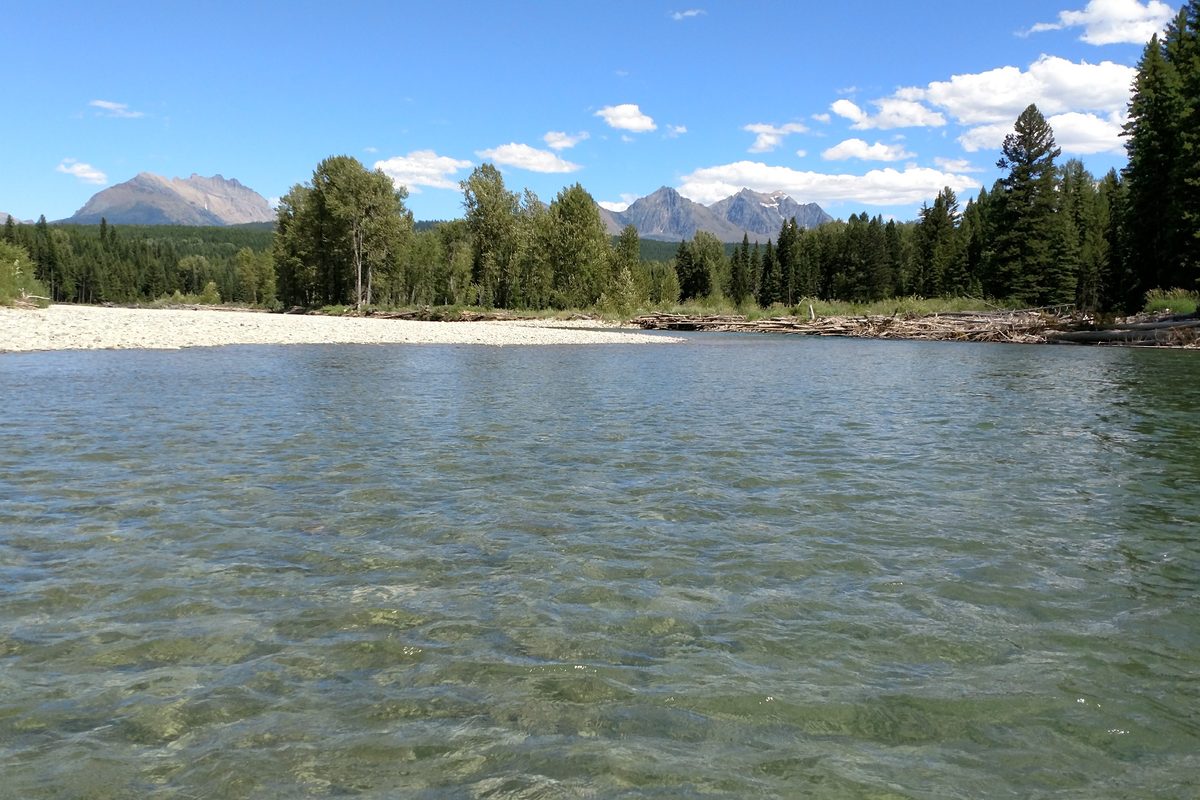
Easy float

The North Fork of the Flathead

A Wild and Scenic river that forms Glacier National Park's western edge: clear water, wide gravel bars, peaks on the skyline. Most of its length is gentle, but flows are fast and cold in early summer.

Polebridge area→Wild and Scenic corridor→Middle Fork confluence
Open the float-trips guide →

The four options above map to the four most distinct ways people actually spend a day on Flathead Lake and the Flathead River: an easy float on gentle moving water, Class II–III whitewater, a lake paddle by kayak or paddleboard, and an overnight trip that pairs paddling with camping.

Picking one gives you a real starting point in named places, a short route description, and a link to the full guide that covers it in detail, rather than a one-size-fits-all itinerary.

This tool doesn't take a booking, an email address, or any personal information, and nothing here is sponsored by an outfitter. It exists to save a first-time visitor the work of reading all six water guides just to figure out which one applies.

Each result also names the real places along that route — put-ins, take-outs, and landmarks — rather than a vague "somewhere on the lake" description, because the specific access points are usually the hardest part to figure out from a general trip-planning article. If a result looks like a fit, the linked guide covers the rest: seasonal timing, what to expect from the water, and what to bring.

Frequently asked questions

Does this tool book a trip or take payment?

No. There's no account, no email, and no booking flow anywhere on this site. Each result just links to the full guide for that kind of trip.

What if my trip doesn't fit neatly into one of the four options?

Most real trips blend elements — read the closest match's linked guide first; each one covers variations and edge cases (family-friendly stretches, harder alternatives, seasonal timing) beyond the short summary shown here.

Is one of these trip types more demanding than the others?

Whitewater rafting (Class II–III) is the most demanding and generally calls for a licensed outfitter or an experienced crew. The other three are broadly accessible with normal precautions: a life jacket worn rather than carried, an early start, and an aquatic-invasive-species inspection stop for any watercraft.

How were these four categories chosen?

They correspond to the site's six core water guides, grouped by pace rather than by water body — float trips and multi-day trips share the same "gentle to moderate" pacing as the North Fork and lakeshore camping, while whitewater and lake paddling stand apart as their own experiences.

Can I use this to plan a multi-day trip?

It's built for picking a single day's activity, but the overnight option links to the multi-day guide, which covers stacking two or more days of paddling with lakeshore state park camping in more detail than a quick-pick tool can show.

Do the four results change with the season?

The four categories stay the same year-round, but the guides they link to cover seasonal specifics — when the North Fork runs fast and cold with early-summer snowmelt, when whitewater flows peak, and when lakeshore camping is easiest to book.