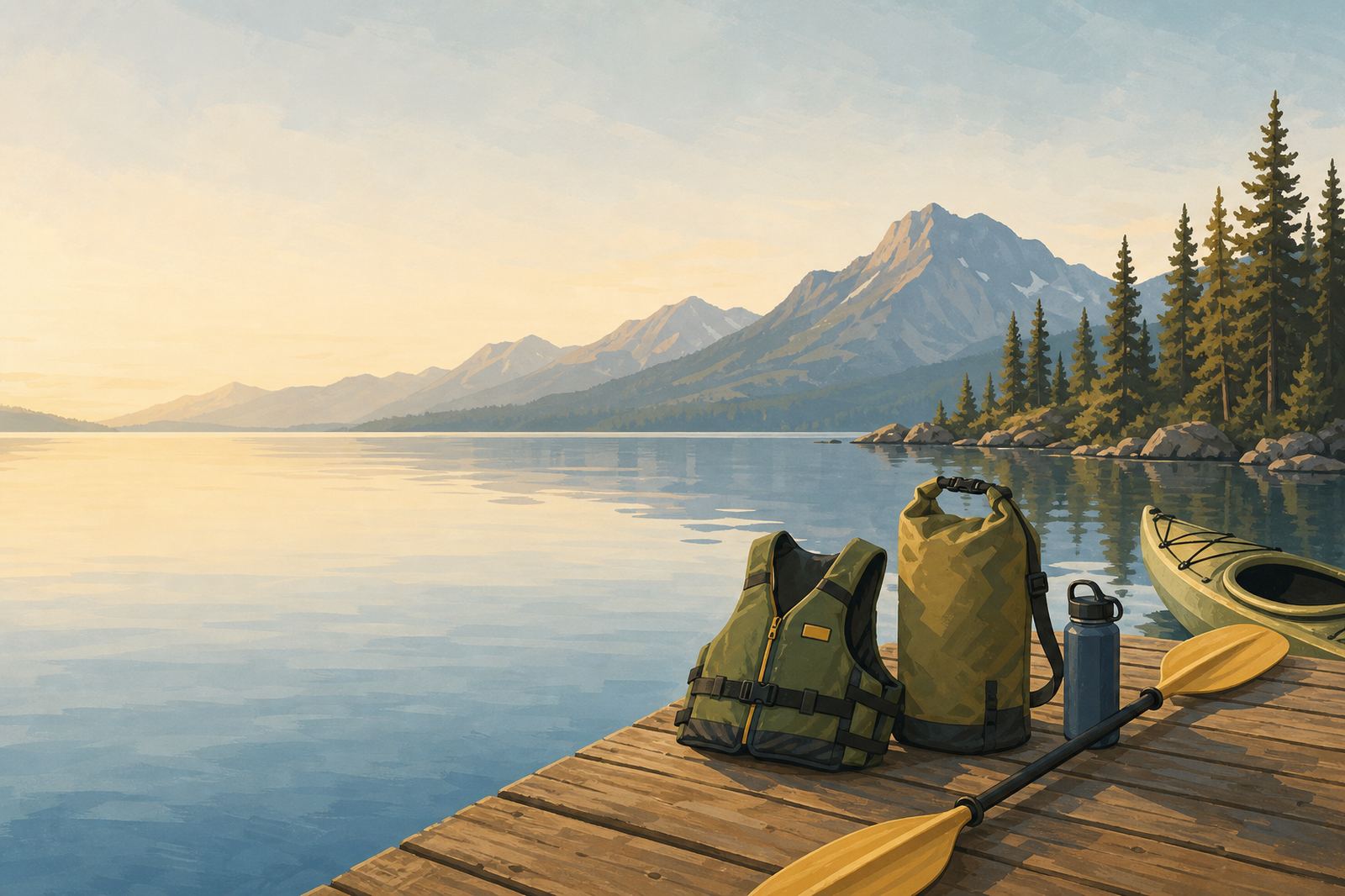
Paddling gear and life jackets laid out before launching onto Flathead Lake
Before you launch

Gear & Planning Around Flathead Lake

Packing lists, camping logistics, and the planning details that make a Flathead Lake trip go smoothly.

Editorial illustration.

A day trip on Flathead Lake looks, on paper, like it should need a short list: a boat, a paddle, and maybe a sandwich. In practice, the lake's size and cold, glacially fed water mean a few items earn a permanent spot in the boat regardless of how calm the morning looks or how short the route is — more water than seems necessary, since sun and wind on open water dehydrate faster than the paddling effort suggests, and a life jacket worn rather than just carried.

Every watercraft on Flathead Lake, including kayaks and paddleboards, is required to stop at an open aquatic-invasive-species inspection station.

Lakeshore state park campsites are worth reserving well ahead for July and August, when demand is highest.

Wind is the other planning variable that catches people out: it typically builds through the afternoon on open water, which is why crossings and longer paddles are best planned for the morning, with the afternoon reserved for hugging the shore or staying off the water entirely if conditions turn.
1 guide in this section, independent editorial with no operator partnerships or booking flow.

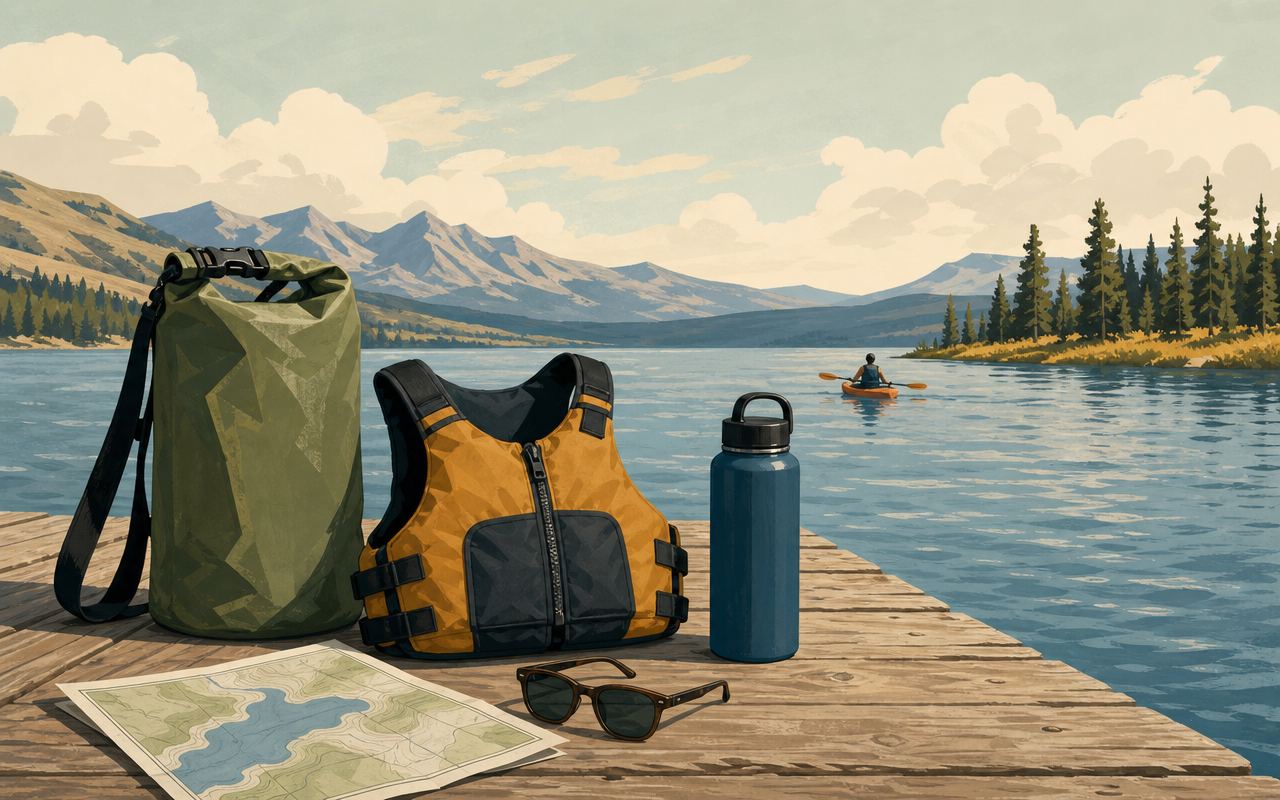
Paddling day-trip gear laid out on a lakeside dock: dry bag, life jacket, water bottle and a map
Gear & Planning

Packing List for a Flathead Lake Paddling Day Trip

A practical checklist for a day on Flathead Lake — the safety gear that isn't optional, layers that actually work, and a basic float plan.

Read the guide →

Frequently asked questions

Do I really need more water than feels necessary?

Yes. Sun and wind exposure on open water dehydrate faster than the effort of paddling suggests, and running out of water on the lake's open central basin with no shade and a headwind between you and shore is a genuinely bad position to be in.

Should I leave a float plan even for a short paddle near shore?

It costs nothing and is worth doing regardless of how short the route looks. A basic plan — where you're launching, roughly where you're headed, and when you expect to be back — lets someone raise an alarm at a useful time.

What changes if I'm crossing toward Wild Horse Island rather than paddling near shore?

Raise the margin on almost everything: more water, a firmer commitment to wearing the life jacket the whole way, a real wind forecast checked the night before, and a float plan that names the specific crossing.

Does every watercraft need an inspection stop, even a kayak?

Yes. Montana requires every watercraft, including kayaks and paddleboards, to stop at an open aquatic-invasive-species inspection station before launching.

Is any of this list specific to camping, or just day trips?

Both. The day-trip basics (water, life jacket, float plan, morning launches) apply whether you're out for two hours or camping at a lakeshore state park; camping adds its own logistics, mainly reserving a site well ahead of the July–August peak.

What should I rent versus bring myself?

Boats, paddles, and life jackets are the items most people rent locally rather than travel with; personal items like sun protection, a dry bag for your phone, and your own water bottles are worth bringing regardless of whether the boat itself is rented or your own.

How far in advance should I book a rental or a campsite?

Booking further ahead matters more in July and August, when demand for both boat rentals and lakeshore campsites is highest, than in the quieter shoulder-season months — check availability directly with the rental outfit or state park rather than assuming a walk-up option.