Flathead Lake rewards people who give it more than a single afternoon. A day trip gets you out on the water, but a multi-day trip lets you actually settle into the rhythm of the place — camp on the shoreline, paddle or float at your own pace, and still leave room to drive up into Glacier National Park before heading home. None of this requires elaborate logistics. It mostly comes down to picking a base, booking early, and building in one flexible day.
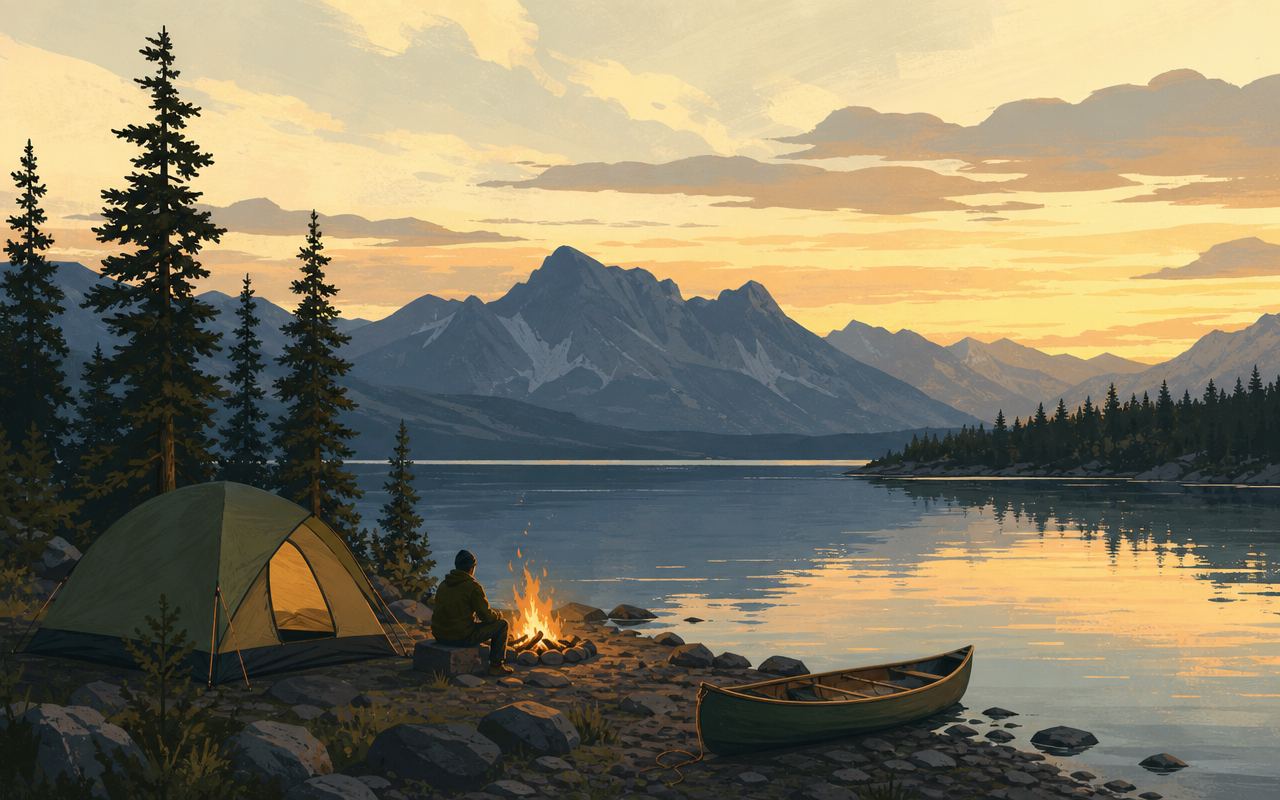
Lakeshore camping: state park units around the lake
Flathead Lake State Park isn’t a single campground — it’s a collection of separate units scattered around the lake’s shoreline, on both the east and west sides. That structure is worth understanding before you book, because each unit has its own character, its own amenities, and its own reservation listing.
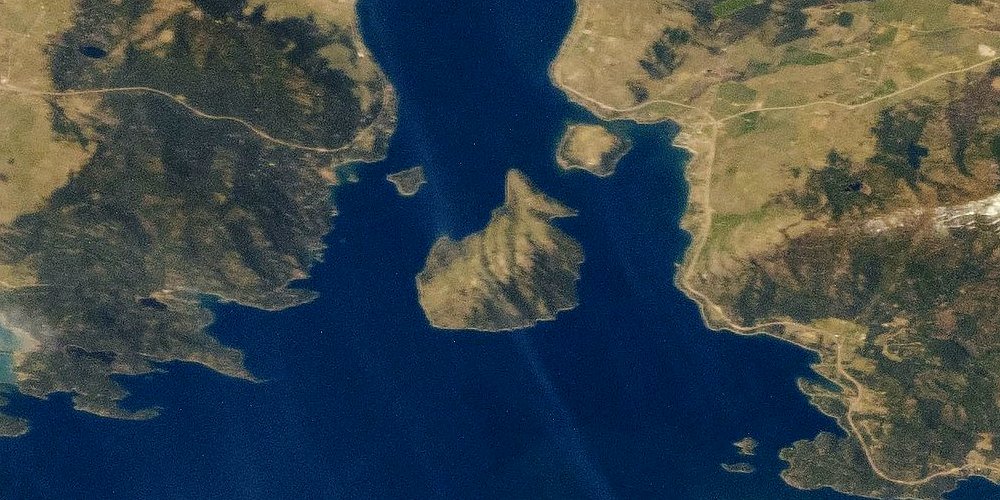
Some units sit on the lake’s west shore, within easy striking distance of the highway that runs north toward Kalispell and, eventually, Glacier’s west side. Others are on the east shore, closer to the orchard country around Yellow Bay, where the lake’s microclimate supports the cherry trees the area is known for. One unit, Wild Horse Island, is different from the rest: it’s accessible only by boat, and it’s set aside for day use — hiking and picnicking, not overnight camping. It’s a worthwhile stop on a paddling day, just not a place to pitch a tent.
Amenities vary from unit to unit. Some campgrounds have showers, potable water, trailer dump stations, and boat launches; others are simpler, with vault toilets and little else. A handful of units set aside a portion of sites specifically for tent camping, separate from the sites built for RVs and trailers. None of this is standardized across the park, so it’s worth reading the specific unit’s listing rather than assuming one site matches another.
Camping at any of these units is reserved through Montana’s state park camping reservation system, not on a first-come basis during the summer months. Reservations can typically be made well ahead of your travel dates, and for peak weekends in July and August, it’s genuinely advisable to book as soon as your dates are set. Flathead Lake’s shoreline campgrounds are some of the most in-demand in the state park system, and popular units fill quickly once the summer reservation window opens. Traveling in June or September, or picking weekdays over weekends, makes last-minute planning far more realistic.
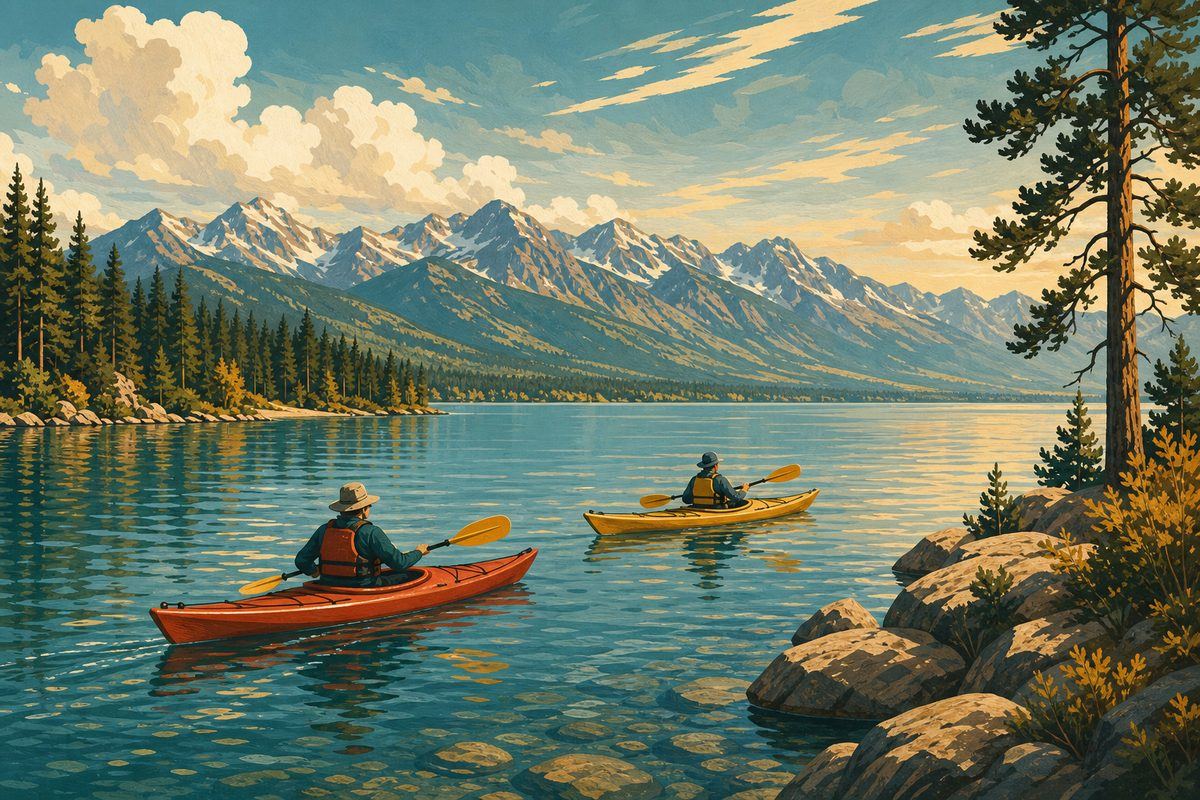
Choosing which unit to base out of usually comes down to what you want easy access to. If your plan leans toward paddling open water and watching the light change across the lake in the evening, a shoreline site with a boat launch nearby matters more than proximity to any particular town. If you’re building a trip around the Glacier drive described below, a west-shore unit shortens that leg of the day. And if orchard country and the quieter east side of the lake appeal to you, a unit near Yellow Bay puts you close to that stretch of shoreline instead. None of these are wrong choices — they just shape what the rest of your days look like.
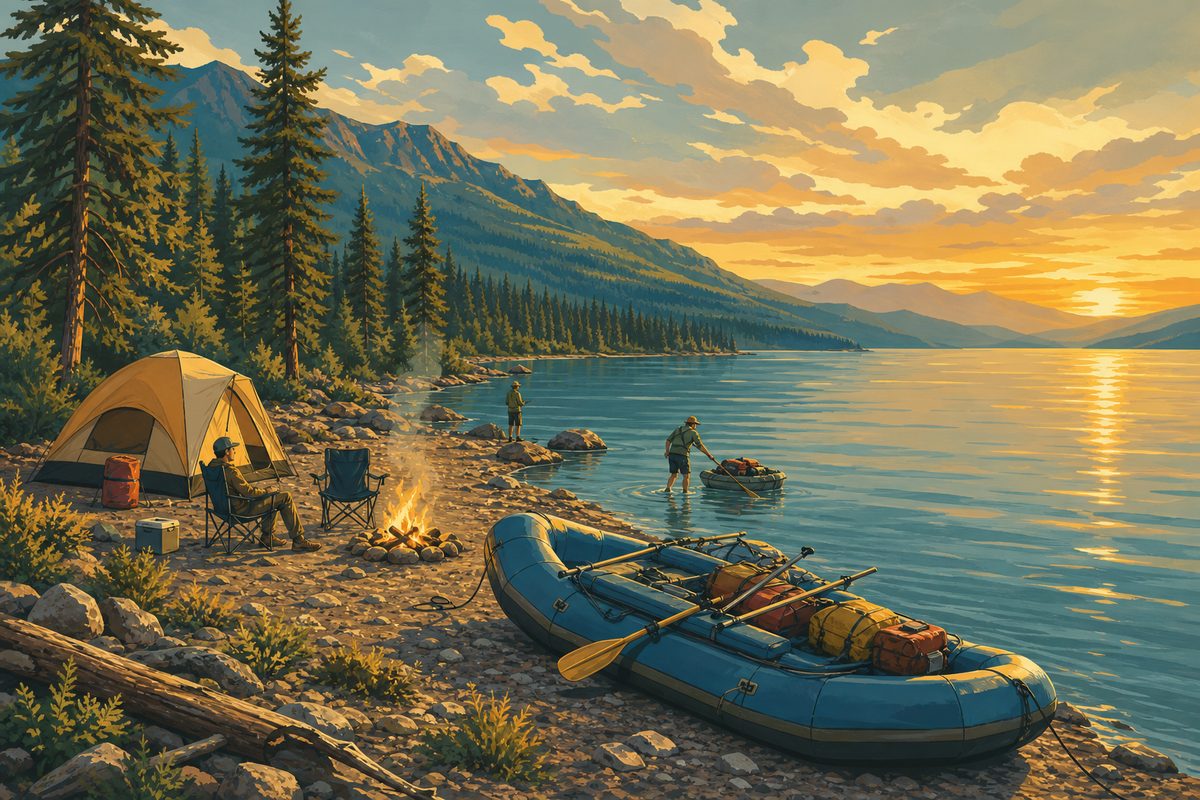
It’s also worth thinking about noise and privacy expectations realistically. These are developed, reservable campgrounds within a state park system, not backcountry sites — you’ll have camp neighbors, defined site boundaries, and shared facilities. That’s a fair trade for the convenience of a car-accessible base with a boat launch a short walk from your tent, but it’s a different experience than a paddle-in wilderness camp, and worth knowing going in.
Pairing a water day with Glacier National Park
One of the practical advantages of basing yourself on Flathead Lake is how close you are to Glacier National Park’s west side. From the lake’s north shore, the drive up to Glacier’s west entrance runs roughly an hour, mostly along Highway 2 through the Flathead Valley past Kalispell and Columbia Falls. That’s close enough to treat a Glacier visit as a single flexible day within a longer lake-based trip, rather than a separate expedition requiring its own overnight stay.
A simple way to use that proximity: spend your first day or two on the water — paddling, floating, or simply settling into camp — then dedicate one day to driving up to Glacier’s west side. The park’s entrance fee (or an interagency/annual pass) applies at the gate, and during the busiest stretch of summer, Glacier has at times required vehicle reservations for its most popular corridors. Requirements have shifted from year to year, so it’s worth checking current entry rules before you commit to a specific day, especially if you’re aiming for one of the park’s most visited areas.
Coming back down to the lake in the evening means you don’t have to break camp or manage a second set of reservations for a Glacier overnight — you’re simply adding a day trip onto a base you’ve already set up. That keeps the logistics of a multi-day itinerary manageable even if you’re not an experienced trip planner.
Once you’re through the west entrance, it helps to think of the visit as a single, well-used day rather than an attempt to see everything the park offers. Glacier’s west side has trailheads, overlooks, and drive-through scenery ranging from easy roadside stops to longer hikes that eat up most of an afternoon, and the right mix depends on who’s in your group and how much of the day you want left for driving back. Because the park’s most popular corridors can be crowded, and have at times required their own advance reservations during peak season, an earlier start from the lake generally pays off — both for parking and for beating the midday crush at the most visited pullouts. It’s a long enough drive that treating it as a genuine day trip, rather than a quick detour, sets more realistic expectations for what you’ll actually get to see.
Trip planning basics
Reservations first. Lock in your campsite before anything else. Because lakeshore units book up for summer weekends, your camping reservation effectively sets the dates for the rest of the trip — plan gear, driving, and any Glacier day trip around whichever nights you’ve secured.
Layer for mountain-valley weather. Flathead Lake sits at elevation in a broad mountain valley. Mornings can be cool even in midsummer, and wind on the open water can build through the afternoon, so a paddling or floating day benefits from a layer you can add or shed. If your itinerary includes a day in Glacier, pack for a bigger temperature swing — the park’s higher elevations run noticeably cooler and wetter than the valley floor around the lake, and a clear morning at camp doesn’t guarantee clear weather up in the park.
Check amenities before you pack. Since campground facilities differ from unit to unit, confirm ahead of time whether your site has drinking water and showers, or whether you’ll want to bring your own water and plan for a more basic setup.
Build in one flexible day. Weather on Flathead Lake can change quickly, and wind is the main reason paddling and floating plans get reshuffled. A loose itinerary with one day that isn’t locked to a specific activity gives you room to swap a windy lake day for the Glacier drive, or vice versa, without unraveling the whole trip.
Confirm current park rules before you go. Entrance requirements, fees, and any seasonal reservation systems for Glacier’s most popular areas are worth checking close to your travel dates, since these details have changed from season to season.
Plan food and supplies before you leave town. Lakeshore campgrounds generally don’t have on-site stores beyond maybe a small camp store at a handful of units, so it’s worth stocking up on food, water, ice, and any gear you’re missing in one of the towns around the lake before you settle in. That’s also the time to fill up on fuel if your itinerary includes the drive to Glacier, since services thin out once you’re off the main routes.
Respect fire restrictions. Western Montana summers can bring dry conditions and fire restrictions that limit or ban open campfires for stretches of the season. Check current restrictions for the area before you count on a campfire being part of your evenings, and always have a way to fully extinguish anything you do light.
Bring what the water demands, not just what the campsite does. If paddling or floating is a central part of your days, that means a properly fitted life jacket for everyone on the water, a way to keep phones and keys dry, and a realistic read on wind and afternoon chop, which can build quickly on a lake this size and turn a calm morning paddle into a slower, harder return trip.
A sample loose structure for a 2–4 day trip
There’s no single right way to sequence a trip like this, but a loose framework helps if you’re planning your first one.
Day one is typically arrival and settling in — reaching your reserved lakeshore site, getting camp set up, and using whatever daylight is left for a short paddle near shore or simply adjusting to the pace of the place. It’s not a day to over-schedule.
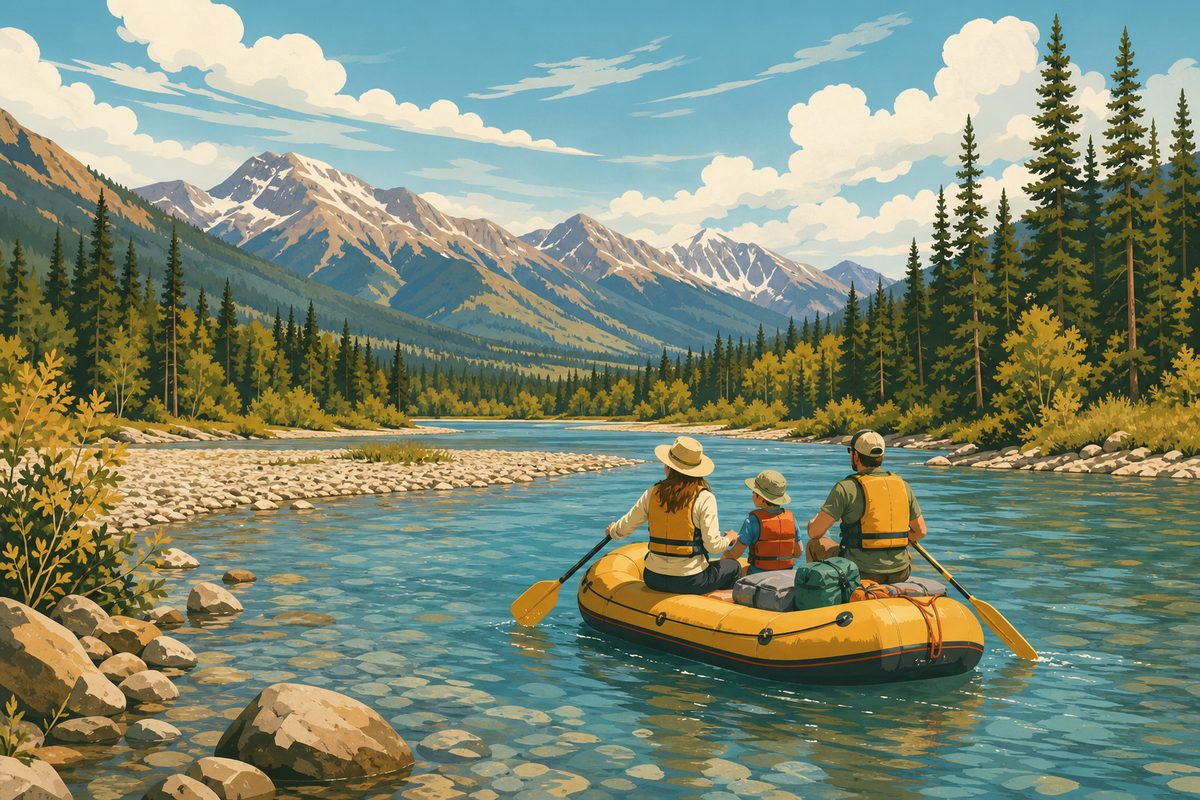
Day two is usually the primary water day: a longer paddle, a float, or time spent exploring the shoreline and, if it fits your route, a stop at Wild Horse Island for a hike before returning to camp for the night.
Day three, on a three- or four-day trip, is a natural fit for the Glacier drive — heading north in the morning, spending the day on the park’s west side, and returning to the lake in the evening rather than adding a second campsite and set of reservations.
Day four, if your trip runs that long, can either be a second, more relaxed water day — good for wildlife-watching or simply enjoying the lake without an agenda — or a slower departure morning if three days already covered what you came for.
None of this needs to be rigid. The point of building a trip around a fixed lakeshore campsite is that you can rearrange the order of activities around weather and energy levels without having to change where you’re sleeping each night. That flexibility is really the main advantage of a multi-day trip over trying to pack a lake day and a Glacier day into a single, more rushed visit.
Overnight Rafting Trips Montana: A Multi-Day Guide, Quick Facts
A short summary for anyone stitching together overnight rafting trips Montana style around Flathead Lake: this is a multi-day guide built around lakeshore state park units, not backcountry portage camping, so it suits a wider range of experience levels. Most overnight rafting trips Montana visitors run here combine one paddling day, one lakeshore camp, and one day trip north to Glacier National Park — a simple three-part structure that works for a genuine multi day float trip Montana itinerary without over-planning it. If you’re weighing a longer multi day float trip Montana style against a single overnight, the state park unit spacing around the lake makes either work; this multi-day guide leans toward two nights as the sweet spot for most first-timers attempting overnight rafting trips Montana has to offer.
Frequently asked questions
Do I need to book campsites months in advance?
For July and August weekends, yes — book as soon as your dates are firm. Montana's state park camping reservation system opens sites well ahead of the season, and lakeshore units around Flathead Lake are consistently among the most requested in the state. Weekdays and shoulder-season stays (late spring, September) are far easier to land without much lead time.
Is Flathead Lake State Park one campground or several?
It's several separate units spread around the lake's shoreline rather than one contiguous park. Some sit on the east shore, some on the west shore, and one — Wild Horse Island — is boat-access only and set aside for day use, with no overnight camping allowed.
Can I camp on Wild Horse Island?
No. Wild Horse Island is a day-use area only. You can land, hike, and picnic there, but there's no overnight camping permitted, so it works as a stop on a longer paddling day rather than a base camp.
How far is Glacier National Park from Flathead Lake?
From the lake's north shore, the west side of Glacier is roughly an hour's drive, mostly along Highway 2 through the Flathead Valley. That makes it realistic to spend a morning on the lake and still get into the park's west-side entrance by early afternoon.
Do I need a park reservation or entrance pass for Glacier if I'm just doing a day trip?
Glacier National Park charges a standard entrance fee (or accepts an interagency/annual pass) at its gates, separate from any state park camping fee. During peak summer months the park has also used a vehicle reservation system for its most popular corridors, so it's worth checking current entry requirements before you drive up, since rules have shifted from year to year.
What's the best way to structure a 3-day trip around the lake and the park?
A common approach is two nights based at a lakeshore campsite with a full day of paddling or floating in between, then using one of those days — or a short extra day — to drive up to Glacier's west side for hiking or sightseeing before returning to camp. It keeps driving to a minimum while still covering both landscapes.
Are the state park units around Flathead Lake tent-only, or can RVs stay too?
It varies by unit — some campgrounds have sites suited to RVs and trailers, while others set aside sites specifically for tents. Check the individual unit's listing before booking if you have a rig, since not every site type is available everywhere.
What should I pack for weather on a multi-day trip here?
Layers, regardless of the forecast. Flathead Lake sits at elevation in a mountain valley, mornings can be cool even in midsummer, afternoon wind on the lake can pick up fast, and Glacier's higher elevations run noticeably colder and wetter than the valley floor. A rain shell and a warm layer are worth carrying even on a clear-looking day.
Do the lakeshore campgrounds have showers and drinking water?
Amenities differ by unit — some have showers, potable water, and boat launches, others are more basic. It's worth checking what a specific unit offers before you go if amenities matter to your plan.
Is it better to camp on the east shore or the west shore of the lake?
Both sides have state park camping, and the choice mostly comes down to logistics. West-shore sites tend to sit closer to the route up toward Glacier's west entrance, which can simplify a trip that pairs paddling with a park day, while east-shore sites put you nearer Yellow Bay and the lake's cherry-growing stretch.