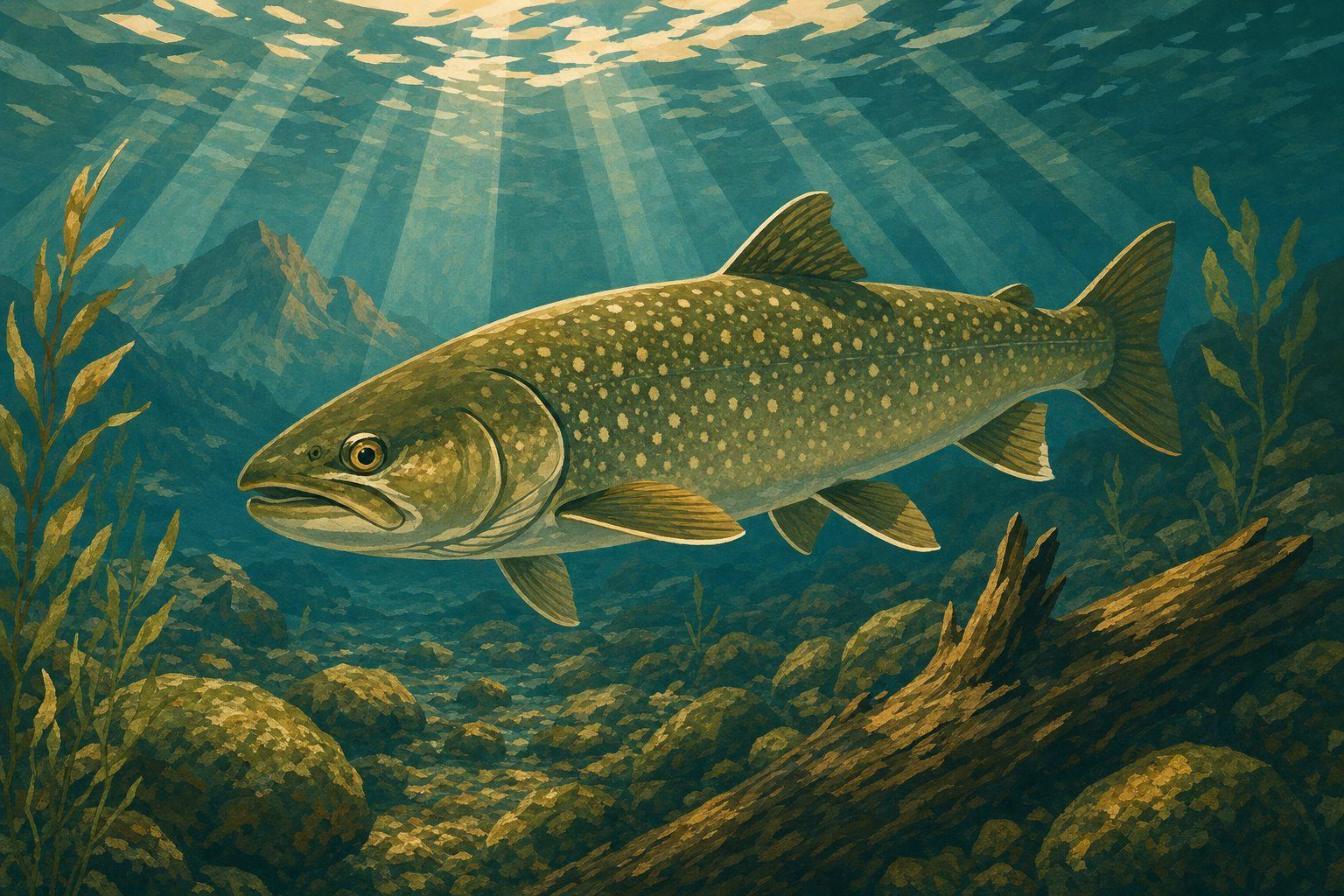
Most fishing tournaments exist to catch something people want to eat or mount on a wall. Mack Days exists to catch something the lake would rather not have — and it pays real cash to anyone who helps. It’s one of the more unusual, genuinely effective conservation programs tied to Flathead Lake, built entirely around removing a non-native fish that’s reshaped the lake’s ecosystem for decades.
This guide covers what the event actually is, why it exists, how the prize structure works, and what it takes to fish it competitively.
A tournament built around a conservation problem
Mack Days is run by the Confederated Salish and Kootenai Tribes and has taken place twice a year — spring and fall — since 2002. The name comes from “mackinaw,” a common local nickname for lake trout, the species the entire event revolves around. Unlike a typical fishing tournament built around a prized native species, Mack Days exists specifically to remove lake trout from Flathead Lake in large numbers, because that non-native predator has become a genuine problem for the lake’s native fish.
The underlying issue goes back decades. Opossum shrimp, introduced upstream as a food source for another species in the mid-twentieth century, unexpectedly reshaped Flathead Lake’s food web in ways that favored lake trout at the expense of native bull trout and westslope cutthroat trout. Lake trout numbers boomed as a result, and the native species this site’s bull trout guide covers in more depth have been under sustained pressure ever since. Simply banning lake trout fishing wouldn’t fix that — the opposite is true. The lake needs more lake trout removed, not fewer, which is exactly the incentive Mack Days provides.
From a single fall event to a twice-yearly tradition
Mack Days held its first event in fall 2002, launched as a direct response to the lake trout problem rather than as an established tradition that grew organically. What started as a single annual fall event has since expanded into the twice-yearly spring-and-fall format that runs today, a sign of both its popularity with anglers and its perceived usefulness as an actual management tool rather than a one-off experiment. More than two decades in, it’s become one of the more established fixtures of the Flathead Lake fishing calendar, well known enough regionally that many anglers plan trips specifically around the event window rather than treating it as an afterthought during a lake visit already planned for other reasons.
Registration itself is straightforward and free — entrants fill out an entry form available through the event’s official channels or at various retail locations around the lake, rather than navigating a complicated or costly sign-up process. That low barrier to entry is deliberate: the whole point is maximizing angler participation to remove as many lake trout as possible, so making registration easy is part of the conservation strategy itself, not just a convenience for participants.
How the money actually works
The financial incentive is real, not symbolic. Recent Mack Days events have offered cash and prizes totaling roughly $225,000 across a single event, split across multiple categories: a large top individual prize, several additional five-figure and four-figure prizes for top overall anglers, and separate divisions for women, youth anglers, and an over-70 “Golden Oldies” category. On top of the ranked-competition prizes, thousands of individual lake trout are tagged in advance with values ranging from $100 to $500 each — meaning any angler, regardless of their overall standing, has a real chance at a meaningful payout just by catching the right fish. Additional categories reward the largest and smallest lake trout caught, plus separate weekday and weekend prize pools, spreading the incentive across different kinds of participation rather than concentrating it entirely on the top few finishers.
Fishing it: what actually works
Trolling is the dominant technique, and for good reason — lake trout in Flathead Lake spend most of their time well below the surface in open water, especially outside the coldest winter months, and effectively targeting them means covering water at depth rather than fishing from shore or casting into shallows. Competitive Mack Days anglers generally run multiple lines from a moving boat using downriggers to control depth precisely, often paired with sonar or other depth-finding electronics to locate fish before making a pass. This is meaningfully more equipment-intensive than casual lake fishing, and it’s a real practical barrier for anyone without a boat capable of trolling open water — shore fishing exists on Flathead Lake generally, but it isn’t a realistic path to competitive Mack Days results specifically.
Signs it’s actually working
Unlike a lot of conservation programs where success is hard to measure, Mack Days produces genuine, trackable data every single event, since every fish caught is counted and logged. Recent events have seen anglers set new participation and catch records, and organizers have pointed specifically to an increase in juvenile lake trout catches as a meaningful signal — an indication that sustained removal pressure over more than two decades is actually shaping the population’s structure, not just running as an annual tradition with no measurable outcome. That’s a genuinely rare thing for a fishing-tournament-as-conservation-tool to be able to claim with real data behind it.
More than a fishing event for the local economy
Mack Days’ twice-yearly presence has become a genuine seasonal draw for the towns around the lake’s south end, particularly Polson, where much of the event’s activity, weigh-ins, and participant traffic concentrate. Anglers traveling specifically for the event fill local lodging, eat at local restaurants, and buy gear and bait locally during weeks that might otherwise be quieter shoulder-season periods for businesses geared primarily toward summer tourism. That economic dimension isn’t incidental to the tribes’ management of the event — a fishing tournament that draws visitors during the off-season while simultaneously funding real conservation work through its own prize structure is a genuinely efficient use of one event to serve multiple goals at once, environmental and economic alike.
Getting registered and fishing it
Mack Days registration is separate from a standard Montana fishing license, and non-tribal-member anglers fishing the southern portion of the lake — within the Flathead Indian Reservation — also need the joint state-tribal license required for that water, on top of any event-specific registration. Both spring (roughly March through May) and fall (roughly September through November) events run for an extended window rather than a single weekend, giving anglers multiple chances to fish across the season rather than a one-shot opportunity. Because exact dates, fee structures, and rules can shift year to year, checking directly with current Mack Days event information before planning a trip is the reliable approach — the event’s own channels will always have more current detail than a general guide like this one.
For a visitor already spending time around Polson or the lake’s south end, Mack Days is a genuinely accessible way to participate in something with a real conservation purpose behind it, rather than just watching from shore — and unlike most catch-and-release conservation fishing, this is one case where actually keeping what you catch is the entire point.
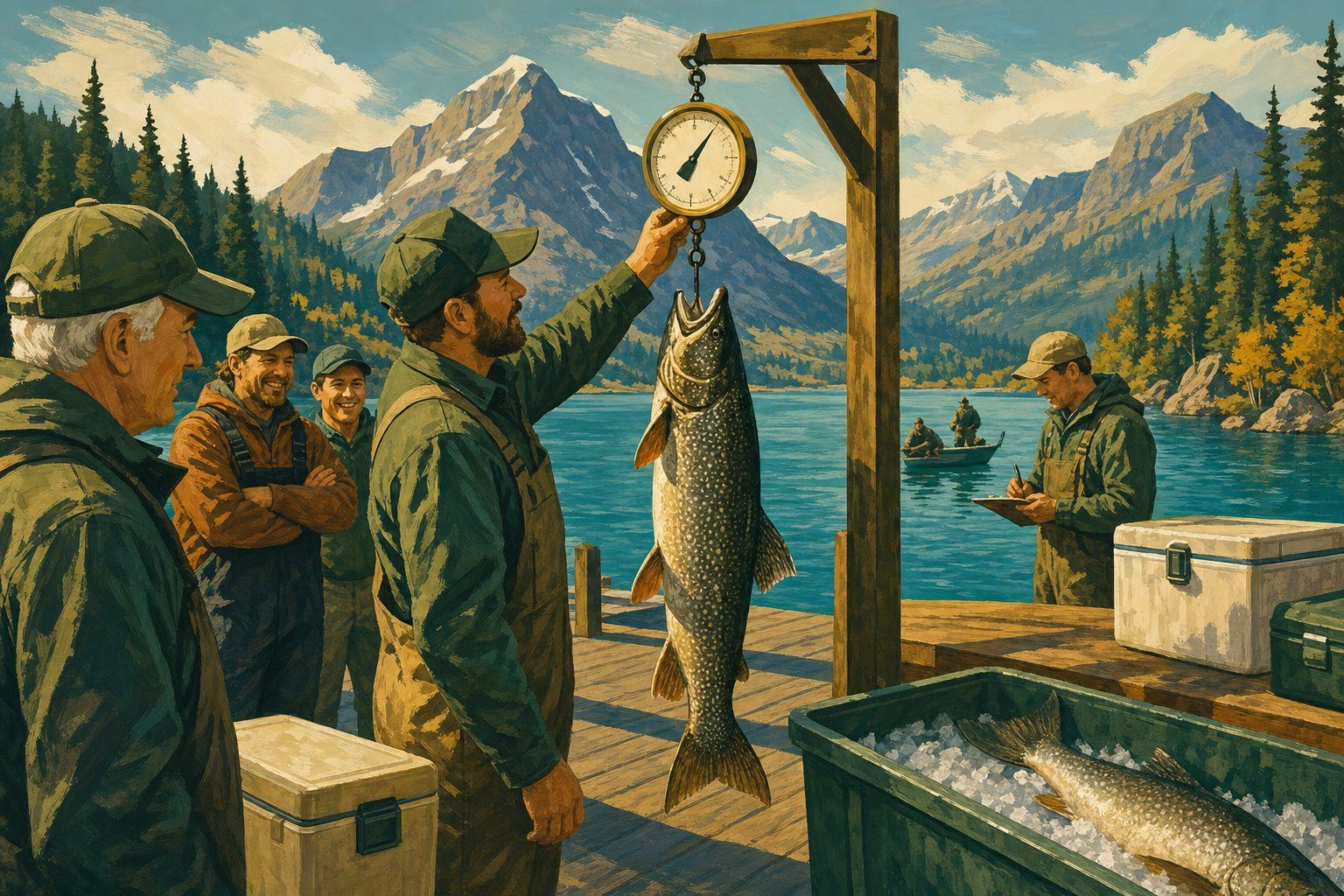
Even for visitors who aren’t planning to compete, timing a trip to overlap with a Mack Days window adds something to a lake visit that’s easy to miss otherwise — boat traffic on the water, weigh-in activity around Polson, and a visible, active demonstration of how this lake’s fishery is actually managed day to day, rather than an abstract policy discussed only in regulation booklets. Watching a weigh-in, even without a rod in hand, is a genuinely interesting way to see the scale of the effort up close — rows of coolers, tagged fish, and anglers comparing notes on where the trout were biting that day. It’s a rare chance to see fisheries management happen in public, in real time, rather than as a set of rules printed in a regulations booklet somewhere.
Frequently asked questions
What exactly is Mack Days?
It's a twice-yearly fishing event run by the Confederated Salish and Kootenai Tribes that pays anglers cash and prizes for catching lake trout — locally called 'macks' — on Flathead Lake. It's been running since 2002, with a spring event roughly March through May and a fall event roughly September through November each year.
Is this really just a fishing tournament, or is there a conservation angle?
Both, genuinely. The event's actual purpose is to suppress Flathead Lake's non-native lake trout population, which expanded dramatically after a food-web shift in the lake decades ago and now competes with and preys on native bull trout and westslope cutthroat trout. Cash prizes are the incentive that gets enough anglers removing enough lake trout to make a measurable dent in the population — a genuinely unusual, effective use of a fishing tournament format for a conservation goal.
How much prize money is actually on the line?
It varies by event, but recent Mack Days events have offered up cash and prizes totaling roughly $225,000 across a single event, including large top prizes, plus thousands of individually tagged lake trout worth $100 to $500 each if caught. Categories include top overall anglers, ladies, youth, an over-70 'Golden Oldies' division, largest and smallest lake trout, and separate weekday and weekend prizes.
Do I need any special registration or license to fish Mack Days?
You need to register for the specific event, which has its own entry process separate from a standard Montana fishing license. Because the southern portion of Flathead Lake sits within the Flathead Indian Reservation, non-tribal-member anglers also need the joint state-tribal fishing license required for that water, in addition to any Mack Days-specific registration — check current requirements directly with the event organizers before you plan to fish.
What technique do most anglers use during Mack Days?
Trolling is the dominant technique — running lines at depth from a moving boat across open water, since lake trout in Flathead Lake are typically found well below the surface, especially outside of the coldest months. Anglers serious about competing generally invest in downriggers and depth-finding electronics rather than relying on shore or shallow-water tactics that don't reach where the fish actually are.
Can I participate without a boat?
It's a real disadvantage. Lake trout in Flathead Lake are primarily a deep, open-water species, and Mack Days is built around trolling from boats capable of covering significant water and fishing at real depth — shore-based fishing exists on the lake generally, but it's not the realistic path to competitive results in this specific event.
Has the event actually worked as conservation?
There's real evidence it's having an effect. Anglers have set new participation and catch records in recent years, and organizers have specifically pointed to a rise in juvenile lake trout catches as one signal of how the population is responding to sustained removal pressure — a sign the suppression effort is actively shaping the lake's fish population, not just running as an annual event with no measurable outcome.
When exactly are the spring and fall events each year?
Spring Mack Days generally runs from roughly March through May, and Fall Mack Days from roughly September through November, though exact start and end dates shift slightly year to year — check current dates directly before planning a trip around the event, since this guide won't state fixed dates that could go stale.